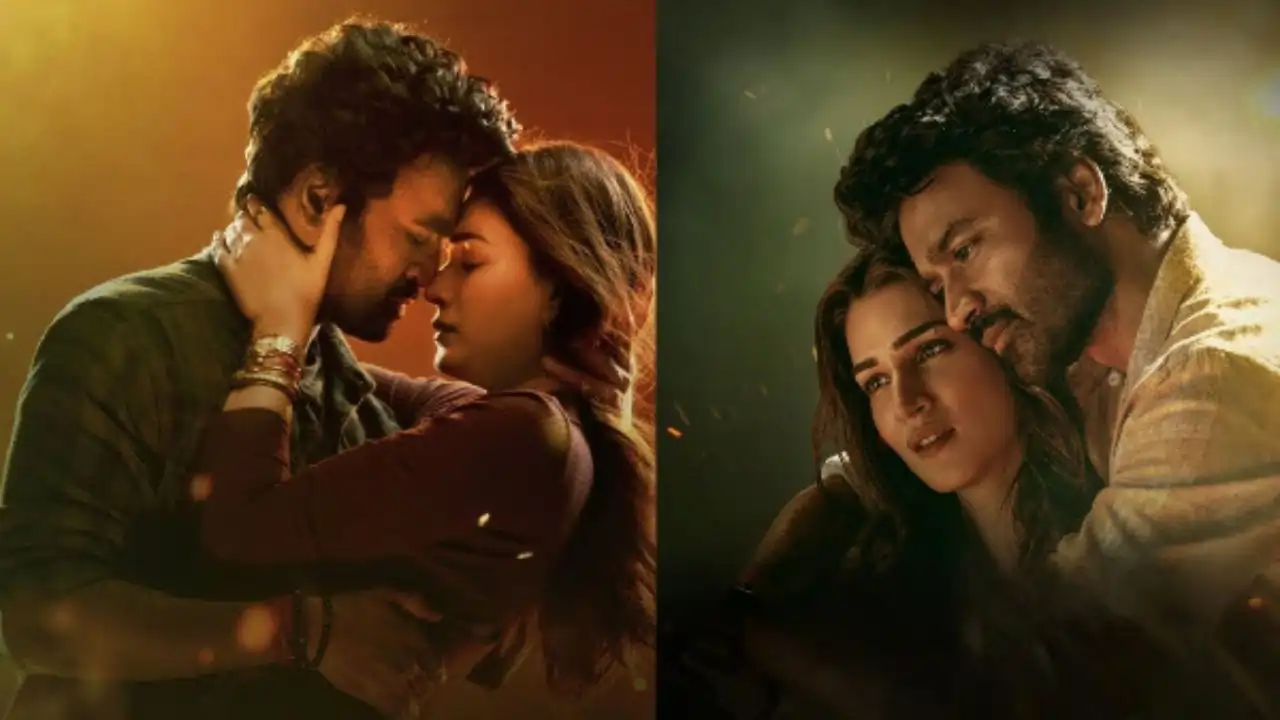
Tere Ishk Mein Review: Dhanush and Kriti Sanon Ignite Passion in Anand L. Rai's Tear-Jerking Sequel
In a year packed with blockbusters and star-studded spectacles, Tere Ishk Mein emerges as the quiet storm of 2025—a film that sneaks up on you, wraps around your heart, and refuses to let go. Directed by the masterful Anand L. Rai, this poignant tale of love's cruel twists feels like a long-lost sibling to his 2013 gem Raanjhanaa. Premiering today, November 28, it's not just a movie; it's a raw, unflinching dive into the ache of unrequited desire, promising to leave audiences both shattered and strangely alive.
Echoes of Raanjhanaa: A Deeper, Darker Dive into Love's Abyss
What makes Tere Ishk Mein a spiritual sequel isn't recycled plots or callbacks—it's Rai's signature blend of small-town romance laced with larger-than-life tragedy. Set against the sun-baked streets of rural Uttar Pradesh, the story follows Arjun (Dhanush), a fiercely devoted dreamer whose world upends when he crosses paths with the enigmatic Priya (Kriti Sanon). Their bond starts as a spark—innocent flirtations amid monsoon rains and whispered confessions—but spirals into a vortex of obsession, sacrifice, and soul-crushing regret.
Rai, known for his knack at turning everyday heartbreaks into epic sagas, amps up the intensity here. Gone is the youthful exuberance of Raanjhanaa; in its place is a mature, almost meditative exploration of love as both salvation and damnation. The narrative unfolds like a slow-burning fever dream, blending folklore-inspired visuals with stark realism. It's a film that doesn't shy away from the messiness of human emotions, making every laugh feel earned and every sob inevitable.

Dhanush and Kriti: Careers Redefined in Vulnerability
If Tere Ishk Mein is a triumph, it's largely because of its leading duo. Dhanush, channeling the brooding intensity that made him a pan-Indian sensation, delivers what might be his most layered performance yet. As Arjun, he's a whirlwind of quiet fury and tender fragility—a man whose love feels like a storm he can't outrun. Watch him in those silent, rain-soaked scenes; his eyes alone convey a lifetime of longing, proving once again why he's the king of understated devastation.
Kriti Sanon, often typecast in glossy roles, breaks free with a ferocity that's downright revelatory. Priya isn't just the object of affection; she's a force—fiercely independent, haunted by her own ghosts, and unafraid to wield her heartbreak as armor. Their chemistry crackles with an authenticity that's rare in Bollywood romances; it's passionate without being performative, heartbreaking without melodrama. Together, they elevate Rai's script into something profoundly human, earning well-deserved whispers of National Award buzz.
AR Rahman's Score: The Heartbeat That Haunts
No Rai film would be complete without musical sorcery, and A.R. Rahman doesn't disappoint. His soundtrack is a lush tapestry of soul-stirring melodies—think Sufi-infused ballads that swell like ocean waves and folk-tinged tracks that capture the dust and devotion of rural India. The title song, a duet between Dhanush's gravelly timbre and Kriti's ethereal vocals, is an instant earworm, while the background score pulses with an urgency that mirrors the lovers' turmoil. Rahman's genius lies in how he makes silence sing; those climactic cues will have you reaching for tissues long after the credits roll.


















.webp)