120 Bahadur Review: A Heartfelt Tribute to Rezang La That Needed Sharper Edges
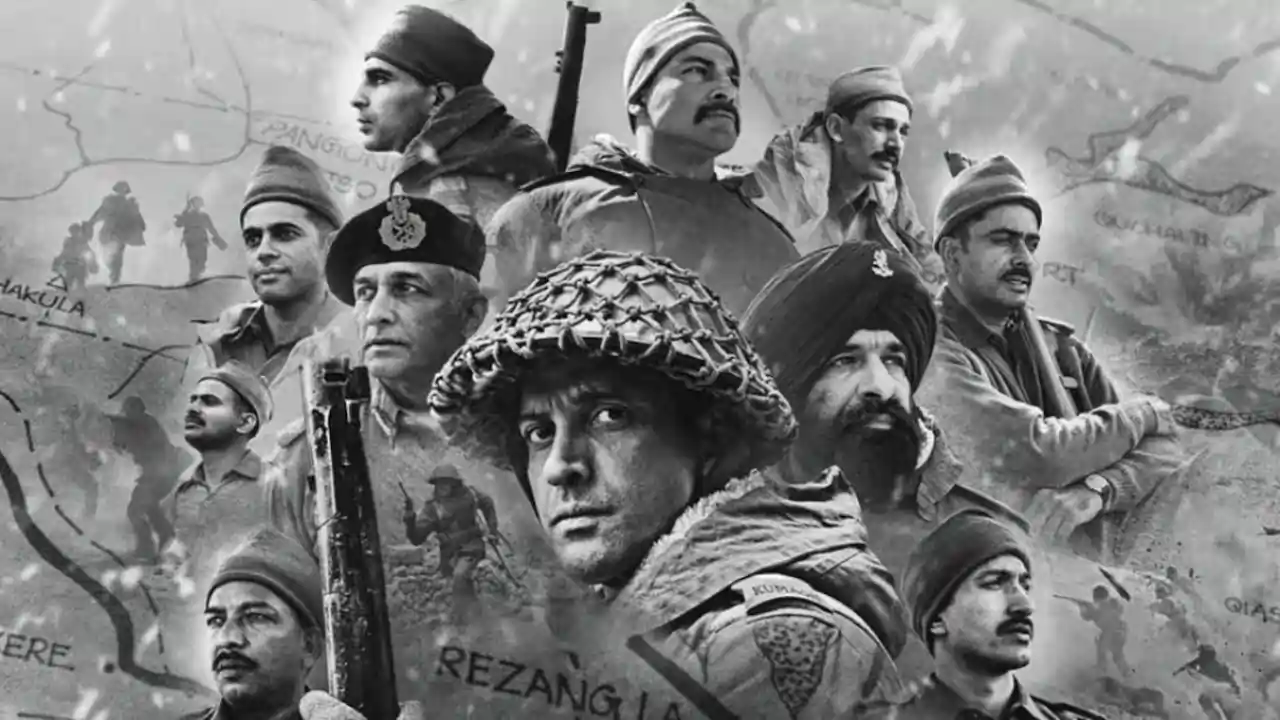
Farhan Akhtar’s war drama 120 Bahadur arrives with noble intentions: to immortalise the extraordinary courage of 120 Indian soldiers from the Charlie Company, 13 Kumaon Regiment, who fought to the last man against overwhelming Chinese forces at Rezang La during the 1962 Indo-China war. The film is clearly a passion project, and its respect for the real-life Ahir heroes is unmistakable. Yet, despite flashes of brilliance, it struggles to rise above the familiar tropes of the genre and ends up feeling like an opportunity only half-seized.
The Story and Historical Weight
Based on the Battle of Rezang La—one of the most heroic last stands in military history—120 Bahadur follows Major Shaitan Singh (played by Farhan Akhtar) and his vastly outnumbered men as they face waves of PLA troops in sub-zero temperatures at 18,000 feet. The film doesn’t shy away from the tragedy of 1962: poor equipment, broken communication lines, and political negligence are all present. The second half, especially the climactic battle, is visceral and gripping. Director Razneesh Ghai stages the combat with raw intensity—bullets tear through frozen air, soldiers collapse in the snow, and the sheer hopelessness of the situation hits hard.

Where It Soars
Sparsh Walia, as the young and idealistic Lieutenant Gopal Panicker, delivers the standout performance. His wide-eyed determination slowly giving way to grim resolve provides the emotional anchor the film desperately needs. The war sequences in the final 40 minutes are among the best-mounted in recent Hindi cinema—practical effects, restrained VFX, and excellent sound design make you feel the biting cold and the weight of every bullet. A few quiet moments—soldiers writing letters home, sharing a last smoke—land beautifully and remind you why these stories matter.